How Functional Medicine Enhances Psychiatric Care


Understanding Functional Medicine
Functional medicine is an approach that focuses on identifying and addressing the root causes of diseases. It views the body as one integrated system rather than a collection of independent organs divided up by medical specialties. This holistic approach is increasingly being used to enhance psychiatric care, offering new avenues for treatment and healing.
Unlike traditional methods, functional medicine practitioners spend time with patients, listening to histories and looking at the interactions among genetic, environmental, and lifestyle factors that can influence long-term health and complex, chronic diseases. This personalized approach is particularly beneficial for psychiatric care, where mental health can be affected by a multitude of intertwined factors.

The Role of Nutrition in Mental Health
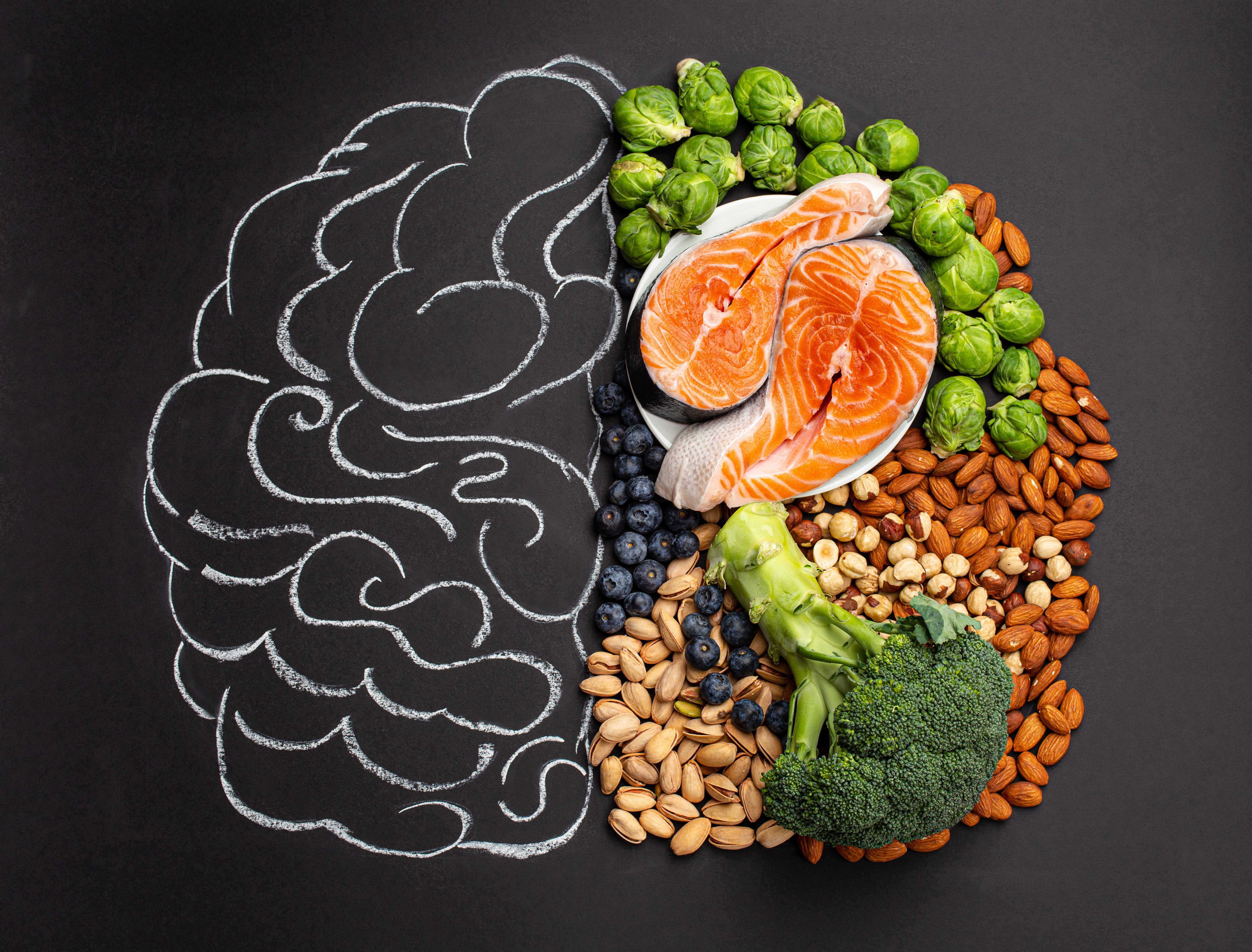
Nutrition plays a critical role in mental health and is a central component of functional medicine. A balanced diet can significantly affect mood and cognitive functions. Functional medicine practitioners often explore the impact of nutrient deficiencies or imbalances in patients experiencing psychiatric symptoms.
For instance, deficiencies in omega-3 fatty acids, B vitamins, and minerals like magnesium and zinc have been linked to depression and anxiety. By identifying and correcting these deficiencies, functional medicine can help improve mental health outcomes.
Addressing Inflammation
Inflammation is another area where functional medicine can enhance psychiatric care. Chronic inflammation has been linked to a variety of mental health disorders, including depression and anxiety. Functional medicine practitioners use a variety of strategies to reduce inflammation, including dietary changes, stress reduction techniques, and supplements.
By addressing inflammation, patients may experience improvements in mood and overall mental well-being. This approach highlights the interconnectedness of physical and mental health, a core principle of functional medicine.

Hormonal Balance and Mental Health
Hormones have a profound impact on mental health, and imbalances can lead to mood disorders, anxiety, and other psychiatric conditions. Functional medicine practitioners often assess hormonal levels as part of their comprehensive approach to psychiatric care.
Through lifestyle interventions, dietary changes, and sometimes bioidentical hormone therapy, functional medicine can help restore hormonal balance, leading to improved mental health outcomes for patients.
The Gut-Brain Connection
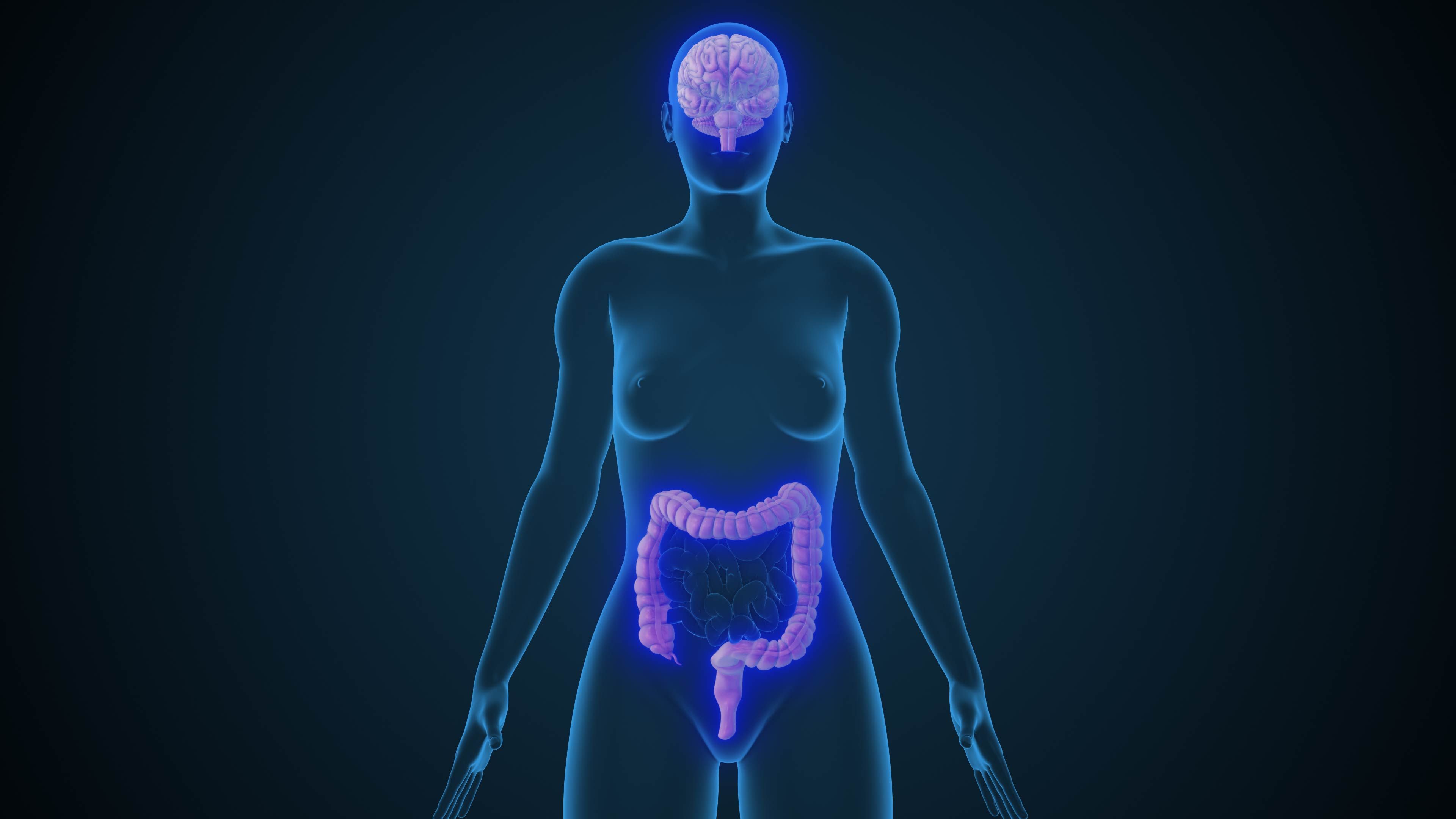
The gut-brain connection is another critical area explored in functional medicine. The gut microbiome, the community of microorganisms living in the digestive tract, has been shown to influence brain health and behavior. An imbalance in this microbiome can contribute to psychiatric disorders.
Functional medicine practitioners may recommend probiotics, dietary changes, and other interventions to support a healthy gut microbiome, thereby enhancing mental health.
Personalized Treatment Plans
One of the strengths of functional medicine in psychiatric care is the development of personalized treatment plans. Every patient is unique, and functional medicine recognizes the importance of tailoring interventions to meet individual needs.
By considering a patient’s genetic makeup, environmental exposures, and lifestyle choices, functional medicine practitioners can develop comprehensive treatment plans that address the root causes of psychiatric symptoms.
Integrating Functional Medicine in Psychiatric Care
Integrating functional medicine into psychiatric care can lead to more sustainable and holistic outcomes. By addressing the underlying causes of mental health issues rather than merely managing symptoms, patients can achieve lasting improvements in their mental health.
This approach requires collaboration between functional medicine practitioners and traditional psychiatric providers, ensuring that patients receive the most comprehensive care possible.